Freelancing often starts with simple workspace needs: a laptop, reliable internet, and a quiet place to concentrate. As the business grows, those requirements can change. Client meetings become more important. Projects require longer periods of focused work. Contractors or employees may become involved. A home office that once offered flexibility can begin creating limitations. That does not mean every successful freelancer needs to move into a traditional office. The more useful question is whether your current workspace still supports the way your business operates. For professionals moving from freelancer to business owner, recognizing that point early can help prevent workspace problems from becoming business problems. This article examines the practical signs that a home office or informal setup may no longer be enough, the workspace options available at different stages of growth, and how to choose an environment that fits the business you are actually building.
Five Signs Your Business Has Outgrown Its Current Workspace
There is rarely one defining moment when a freelancer suddenly becomes a company. The transition is usually gradual. What changes first is often not the size of the business, but the demands it faces.
Workspace needs tend to change in the same way.
1. Client Meetings Need a More Professional Setting
Video calls and coffee-shop meetings can work well during the early stages of freelancing. They become less practical when client relationships become larger, more confidential, or more formal. A consultant may need privacy for sensitive conversations. A designer may need space to present work without background distractions. A growing service business may simply want clients to experience an environment that reflects the professionalism of the work being delivered. Professionalism does not require pretending to be larger than the business really is. It means ensuring that the environment supports the expectations clients already have. If arranging an appropriate client meeting has become a recurring problem, the workspace may be limiting the business.
2. Working From Home Is Creating More Friction Than Flexibility
Home offices remain effective for many professionals, and there is no reason to leave one simply because a business is growing. The issue arises when the environment consistently interferes with the work. Interruptions, household activity, limited privacy, inadequate meeting space, or difficulty separating work from personal time can gradually reduce the advantages that made working from home attractive in the first place. Recent workplace research illustrates that tradeoff. According to Pew Research Center’s 2025 analysis of remote work, 60% of people working from home at least some of the time said their arrangement helped them get work done and meet deadlines. At the same time, 49% said it made it harder to feel connected with coworkers. The lesson is not that home-based work is ineffective. It is that different stages of work require different environments.
3. Your Business Needs More Separation From Your Personal Life
A home address, personal phone, kitchen-table meeting, and home office may be entirely appropriate when a business is new. Over time, some professionals want clearer separation between their personal and professional identities. That may involve using a professional business address rather than a residential address, establishing a consistent meeting location, or simply keeping a workspace separate from personal life. For professionals who need a business presence without a full-time physical office, a virtual office can provide an alternative. Brandnook’s virtual office options include a professional Indianapolis business address and mail services, allowing a business to create that separation without taking on workspace it does not regularly need.
4. Collaboration Is Becoming Part of the Work
A solo professional can usually make decisions informally. Once contractors, collaborators, or employees become involved, that becomes more difficult. Teams need to know where meetings happen, when real-time discussion is necessary, and how decisions are communicated. Gallup reported in 2024 that 48% of hybrid workers in a nationally representative U.S. study said their teams had not discussed a formal or informal plan for effective hybrid collaboration. A physical workspace does not solve poor collaboration on its own. It can, however, provide a reliable setting for work that benefits from being done together, including planning sessions, client presentations, project reviews, and focused teamwork.
5. You Are Repeatedly Looking for Somewhere Else to Work
One of the simplest signs is also one of the easiest to overlook. If you regularly leave home to find a coffee shop, library, hotel lobby, rented meeting room, or another temporary environment, you may already be solving a workspace problem informally. Occasional changes of environment can be useful. Constantly rebuilding a work setup is different. Finding seating, managing noise, securing calls, locating outlets, transporting equipment, or wondering whether a meeting location will be appropriate all create small amounts of friction. A consistent workspace removes those decisions and lets you focus more on the work itself.
Does Every Growing Business Need an Office?
No. Business growth doesn’t automatically justify a private office or a conventional commercial lease. Workspace should match how the business actually operates. A consultant who works successfully from home but meets clients twice a month may only need access to professional meeting space. A remote business owner who wants clearer boundaries may benefit from coworking several days each week. A professional who needs consistency may prefer a dedicated cubicle or desk. A small team handling confidential conversations may be better suited to a private office. The objective is not to acquire more square footage as revenue or headcount increases. It is to remove the constraints that begin affecting productivity, privacy, collaboration, or client experience.
The principle is simple: workspace should support operations, not symbolize growth.
Which Workspace Option Fits Your Stage of Growth?
The freelancer-to-business-owner transition doesn’t require a single workspace path. Different operating needs call for different levels of space, privacy, and commitment.
| Business situation | Workspace option to consider |
|---|
| Solo freelancer who mainly works from home but occasionally needs a professional setting | Coworking membership or meeting space |
| Consultant or remote business that needs separation between a residential and business address | Virtual office |
| Professional who wants a consistent place to focus without a full private office | Dedicated cubicle or workspace |
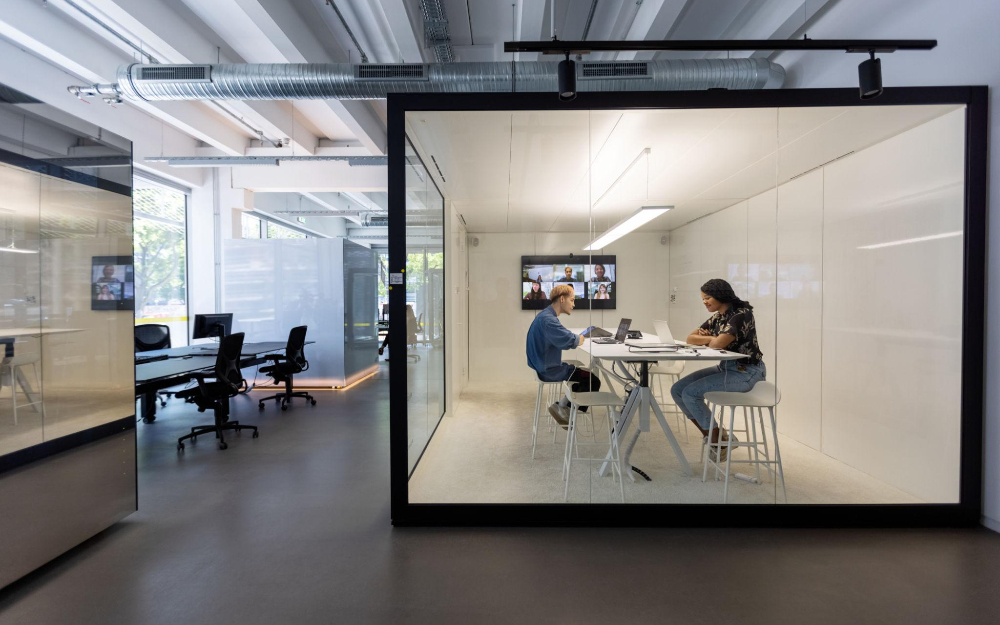
| Small team that needs privacy, regular collaboration, or confidential calls | Private office |
| Growing business with changing schedules or space requirements | Flexible coworking or office arrangement |
The distinction matters because moving beyond a home office doesn’t necessarily mean moving directly into a traditional lease.
Flexible workspace makes the decision more incremental.
For an Indianapolis freelancer, that could mean using coworking part-time before deciding whether a permanent workspace is necessary. A business owner might establish a professional address first and add physical workspace later. A growing team may move directly into a private office because privacy and daily collaboration already justify it.
How Flexible Workspace Can Support Business Growth
The value of a flexible workspace is not simply that it provides a desk. Its usefulness comes from giving a business access to professional infrastructure without requiring more space than it needs. That infrastructure may include reliable internet, meeting rooms, privacy, a consistent working environment, business-address services, or space for team collaboration.
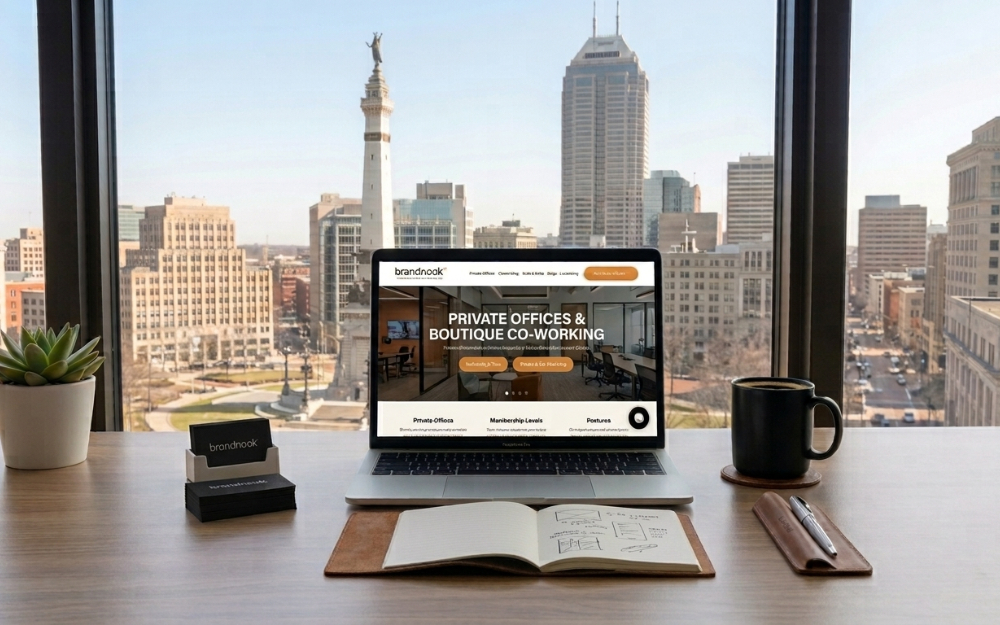
For Indianapolis professionals evaluating that transition, Brandnook offers coworking, dedicated workspace, private office, and virtual office options designed for different ways of working.
The relevant question isn’t whether coworking is better than working from home or whether a private office leads to greater success. It is which environment removes the most meaningful obstacles from the working day. A professional who performs focused individual work may prioritize consistency and fewer distractions. A consultant may care more about meeting space and presentation. A small team may prioritize privacy and the ability to work together. Those differences should determine the workspace decision.
Build the Infrastructure Before Growth Forces the Decision
One reason professionals delay changing their workspace is that the business may not yet feel large.
That is not necessarily the best measure. A business can remain small while becoming operationally more demanding. More clients, longer projects, outside collaborators, confidential work, and formal meetings can all increase complexity without dramatically increasing headcount. The question is whether the current setup can absorb that complexity.
Consider
- Can you host a client meeting without searching for an appropriate location?
- Can you complete focused work without routinely leaving home to avoid interruptions?
- Can another team member work with you effectively when necessary?
- Do your business and personal environments have enough separation?
- Does the workspace reflect the level of professionalism clients expect?
If several answers are no, the workspace may have fallen behind the business.
Frequently Asked Questions
Do I need an office to start a business?
No. Many freelancers, consultants, startups, and small businesses operate effectively from home, particularly when the work is independent and client meetings are infrequent. A professional workspace becomes relevant when the current environment begins limiting focus, privacy, collaboration, credibility, or consistency.
When should I move from a home office to coworking?
Consider coworking when you need a more consistent professional environment but don’t need a private office every day. It can be particularly useful if you need fewer distractions, occasional meeting space, or better separation between work and home.
Is coworking suitable for a small team?
It can be, especially when schedules are flexible, or team members don’t need permanent private space. Teams that require frequent confidential conversations, dedicated equipment, or daily collaboration may benefit more from a private office.
What if I only need a professional business address?
A virtual office may be more appropriate than paying for a physical workspace you rarely use. It can provide a professional business address and related services while allowing the business to continue operating remotely.
Conclusion
Moving from freelancer to business owner does not require adopting every feature of a traditional company. It requires recognizing when the systems and environment that supported the early stage are beginning to create unnecessary limitations. For some professionals, the home office will keep working well. For others, growth creates a need for more privacy, greater consistency, better client-facing space, a professional address, or a place where a team can work together. The right workspace isn’t the largest or most impressive one. It is the environment that supports the needs now while leaving room for what may come next. For freelancers, founders, remote professionals, and small teams considering flexible office space in Indianapolis, Brandnook provides coworking, dedicated cubicles, private offices, meeting space, and virtual office solutions for different stages of growth. Professionals who want to see whether a different workspace would improve how they work can explore Brandnook’s office arrangements and visit through the website.


 Listen to Our Blogs
 November 3, 2026