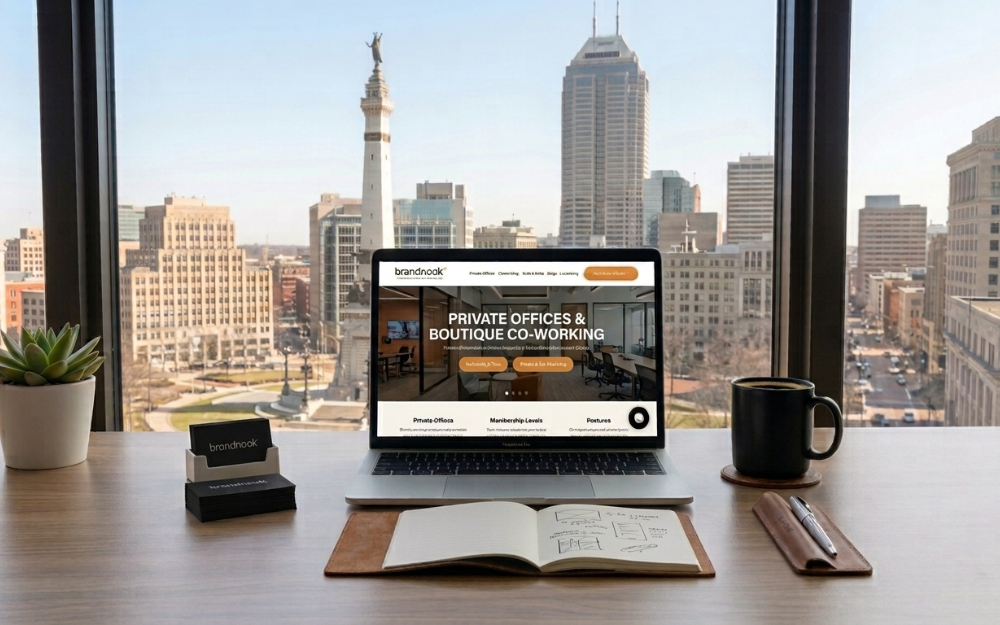
A dedicated business address is one of the few pieces of information prospective clients can evaluate before they ever speak with you. In business, the neighborhood effect describes how a company’s location influences how customers, partners, and prospects perceive the business before any direct interaction occurs. While an address rarely determines whether someone chooses to work with a business, it can shape expectations about professionalism, accessibility, and market presence before a relationship ever begins. As more Indianapolis businesses embrace remote and hybrid work, the role of a business address has evolved. It is no longer simply where work happens. It has become a strategic part of how a business presents itself, establishes a local presence, and supports long-term growth. This article explores why a prestigious business location matters, how it influences decision-making, and what startups should consider when choosing one.
The Strategic Value of a Business Address
A business address is often treated as an operational requirement, but it is also a strategic business decision. Like a company’s name, visual identity, or online presence, it becomes part of its public profile. It influences how consistently the business is represented across websites, directories, contracts, and customer communications. Choosing an address involves more than selecting a location on a map. Companies often consider proximity to clients, access to industry networks, talent availability, transportation, and future expansion. The address becomes a visible reflection of those broader decisions, supporting both daily operations and long-term business objectives. This consideration has become increasingly relevant as more professionals build businesses without maintaining a traditional office. According to Upwork’s 2023 Freelance Forward report, 64 million Americans, representing 38% of the U.S. workforce, performed freelance work in 2023. As location-flexible businesses continue to grow, establishing a professional business presence becomes less about occupying permanent office space and more about intentionally managing how the business is presented to the market. A business address is therefore more than a place to receive mail. It is a long-term business asset that should support the company’s operations, growth strategy, and overall market positioning.
How a Business Address Influences Client Decisions
A business address rarely determines whether a customer chooses one company over another. Expertise, pricing, experience, and service remain the primary factors in the decision. However, before reaching out, most buyers spend time verifying the businesses they are considering, and a business address becomes one of several signals they evaluate. Modern buying decisions are rarely based on a single source of information. Prospective clients often compare websites, Google Business Profiles, online reviews, social media presence, licensing records, and other publicly available details before deciding to make contact. An address contributes to that broader picture by helping confirm that the business appears established, accessible, and consistent across every touchpoint. This is especially important for companies that sell expertise rather than physical products. Consultants, agencies, accountants, legal professionals, technology firms, and other coworking space providers frequently ask clients to trust their knowledge before experiencing the quality of their work. In those situations, every public-facing detail contributes to the overall evaluation process. A business address does not create trust on its own, but it can remove unnecessary uncertainty. When the address aligns with the company’s market, operations, and overall brand, it supports the story the business is already telling and allows prospective clients to focus on the value being offered instead.
Choosing a Business Address Strategically
Selecting a business address should involve more than finding the most convenient or affordable location. The right address should support how your business operates today while remaining suitable as your client base, team, and long-term objectives evolve. Before making a decision, it is worth considering several factors that extend beyond the address itself.
Consider the Market You Serve
Your business address should make sense for the customers and communities you intend to reach. A local presence can be particularly valuable for businesses that rely on regional expertise, in-person collaboration, or long-term client relationships. Even companies that operate primarily online benefit from choosing an address that aligns with the market they serve.
Plan for Growth, Not Just Today
The needs of a business rarely remain static. A freelancer may grow into a small agency, a startup may expand its team, and a remote business may begin hosting client meetings or hiring locally. Choosing an address that can continue supporting the business as it grows helps avoid unnecessary changes to business registrations, marketing materials, and customer-facing information later.
Look Beyond the Mailing Address
A business address is often connected to services that support daily operations. Consider whether the location offers practical resources such as secure mail handling, meeting rooms, reliable internet access, convenient parking, or workspace as needed. These features can become increasingly valuable as a business grows or client expectations change.
Prioritize Consistency
A business address should remain consistent across your website, Google Business Profile, invoices, contracts, email signatures, and other public-facing materials. Maintaining the same address across every touchpoint makes business information easier to manage. It reduces the need for future administrative updates if the company expands its workspace without changing its public location. Choosing a business address is ultimately a long-term business decision rather than a short-term operational one. The best choice is not necessarily the largest office or the lowest monthly cost, but the location that supports your business today while providing the flexibility to grow with it.
When a Virtual Office Makes Strategic Sense
Many companies benefit from maintaining a professional business address even when they don’t require a permanent office. For freelancers, consultants, startups, and remote teams, a virtual office offers a practical way to establish a professional business address without the overhead of leasing dedicated office space. A quality virtual office provides more than a mailing address. Features such as secure mail handling, optional meeting rooms, and access to professional workspace when needed allow businesses to maintain flexibility while supporting day-to-day operations. For companies serving Central Indiana, an Indianapolis business address can also strengthen their local presence and make it easier to build relationships within the market. It is equally important to use a virtual office appropriately. Businesses should confirm that the address meets any requirements for business registration, licensing, banking, insurance, and online business listings. When used transparently, a virtual office supports a legitimate business presence without creating a misleading impression. The key is choosing a solution that provides both credibility and practical support without creating unnecessary overhead. At Brandnook, virtual office memberships combine a professional Indianapolis business address with secure mail handling and optional access to meeting rooms and workspace, allowing companies to scale their physical presence as their needs evolve.
Why the Workspace Behind the Address Matters
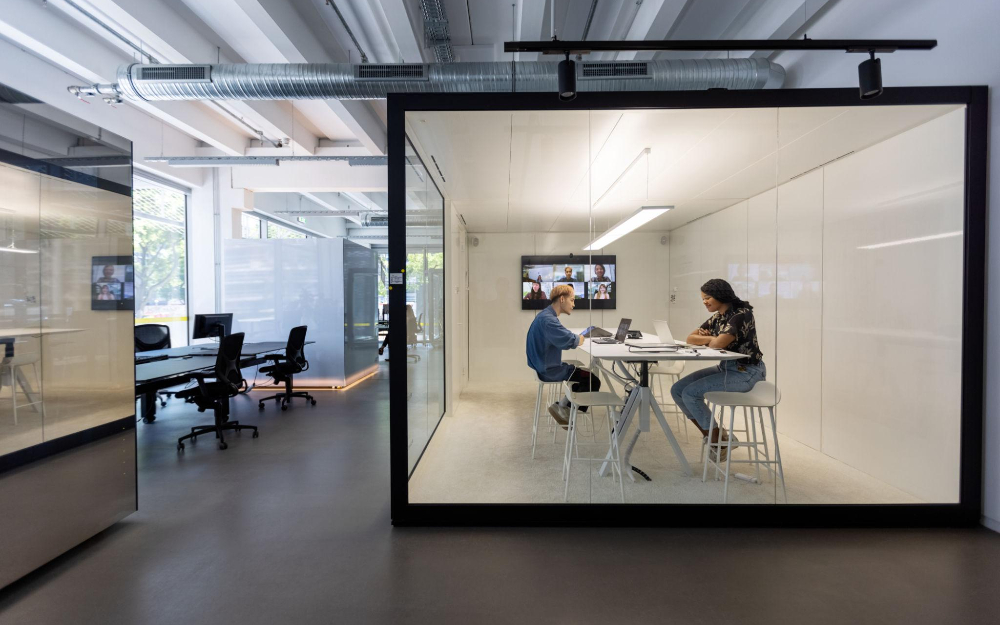
A business address carries greater value when it represents a place that actively supports the way a business operates. Whether meeting clients, collaborating with a team, or working away from home, access to professional workspace turns an address into a functional business asset rather than simply a mailing location. This flexibility has become increasingly important as hybrid work continues to evolve. According to Gallup’s Hybrid Work Indicator, more than half of remote-capable U.S. employees now work in a hybrid arrangement, highlighting the growing demand for workspace solutions that adapt to changing schedules rather than requiring a traditional full-time office. The workspace behind the address can shape how effectively a business operates day-to-day. Access to coworking areas encourages collaboration and professional networking, while private office spaces provide a dedicated environment for focused work and confidential conversations. Semi-private office cubicles offer consistency for growing teams, and fully equipped meeting rooms create a professional setting for client presentations, interviews, and team discussions. Rather than investing in office space that may be underused, businesses can choose a workspace that matches their operational needs. This flexibility also allows businesses to grow without repeatedly changing their public business address. A freelancer may begin with a virtual office, start using coworking space a few days each week, move into a modern office cubicle as client work increases, and eventually transition to a private office as the business expands. The address remains consistent while the workspace evolves alongside the business. When a workspace supports a dedicated business address, it becomes more than a point on a map. It provides the operational capability to meet clients confidently, support employees, and adapt as business needs change, all while maintaining a consistent professional presence.
Match the Workspace to Your Brand
A business address creates expectations, and the workspace behind it should reinforce them. The environment where you meet clients, collaborate with colleagues, or conduct important conversations becomes part of the overall brand experience. Before choosing a workspace, consider whether it supports the way you want your business to be perceived:
– Provide professional meeting rooms for client meetings and presentations
– Support confidential conversations in a comfortable and private environment
– Deliver reliable internet for video calls, presentations, and daily operations
– Offer convenient parking and building access for visitors
– Reflect the quality and professionalism of your brand
– Scale with your business as your team and operational needs evolve
When the workspace aligns with your brand, every client interaction feels more consistent and intentional.
Conclusion
Long before a proposal is requested or a meeting is scheduled, your address becomes part of the impression your business creates alongside your website, reviews, and brand identity. This is often referred to as the neighborhood effect. A business address does far more than receive mail. It influences how a company is positioned, supports daily operations, and helps shape the experience clients have before they ever become customers. Choosing the right address is not simply an administrative decision. It is part of building a business that is prepared to grow, adapt, and earn trust over time. The neighbourhood effect is ultimately about alignment. When your address, workspace, and business goals support one another, they create a professional presence that strengthens every client interaction. For companies seeking a balance of professionalism and flexibility, Brandnook offers virtual office memberships, coworking spaces, dedicated ergonomic workstations, and private office rooms designed to support companies at every stage. Schedule a discovery call to discuss your workspace needs and find the membership option that best supports your business.


 Listen to Our Blogs
 July 27th