If the words “networking event” make you picture crowded rooms, forced small talk, and the pressure to impress strangers, you are not alone. For many professionals, traditional networking feels less like an opportunity and more like a performance. The good news is that building strong professional relationships does not require you to become the loudest person in the room. A growing body of research suggests that meaningful connections are built less through one-time events and more through consistent interactions, shared environments, and genuine conversations that develop over time. This guide explains why traditional networking often misses the mark, what the evidence says about how relationships really form, and how a low-pressure approach can produce stronger results for introverts and extroverts alike.
Why Networking Still Matters Even If You Hate It
Disliking networking events does not mean professional networking has no value. The two are often treated as the same thing, but they are fundamentally different. At its core, networking is about building relationships based on trust, visibility, and shared experiences over time. Those relationships continue to play a significant role in career advancement, business growth, and long-term professional success. The numbers reinforce that point. A widely referenced Zippia analysis on hiring found that roughly 85 percent of jobs are filled through personal and professional connections, highlighting just how influential relationships are in shaping career opportunities over time. For freelancers, entrepreneurs, remote professionals, and growing businesses, networking also creates access to clients, collaborators, mentors, and strategic partnerships. The real value is not in collecting contacts. It is becoming someone other people think of when opportunities arise. Many people associate networking with crowded events, elevator pitches, and forced small talk. While networking events can play a role, they are only one way to build lasting professional relationships, and often not the most effective. Meaningful networking is less about how many people you meet in a single evening and more about how those connections deepen over time.
Why Do Traditional Networking Events Fall Short?
For decades, networking has been framed around conferences, mixers, and after-hours events where success is measured by how many people you meet or how many business cards you collect. While these events can create introductions, they are only a small part of how professional relationships actually form. The strongest connections rarely begin with a single conversation. They develop through repeated interactions, shared context, and growing familiarity. Someone who sees your work or presence consistently over time is far more likely to remember you than someone you meet briefly at an event. This is the core reason why networking events fall short for so many capable professionals. This becomes even more relevant in remote and hybrid work environments. Without the natural daily interactions of a shared office, many professionals rely on occasional networking events to build connections. However, one-time conversations often lack the continuity needed to turn introductions into meaningful relationships. For professionals who dislike traditional networking, this is actually good news. Strong networks are not built through personality or performance. They are built through visibility, consistency, and trust developed over time.
How Are Strong Professional Networks Really Built?
Research challenges the idea that networking success depends on meeting as many people as possible. In fact, some of the most valuable opportunities come from people outside your closest circle. Understanding how networks really work can remove a lot of the pressure that makes networking feel uncomfortable. A widely cited Harvard Business Review study analyzed data from more than 20 million LinkedIn users and found that weak ties, such as acquaintances, former colleagues, and occasional collaborators, are often more effective than close friends or immediate coworkers in helping people discover new job opportunities. Because these connections move in different circles, they are more likely to introduce new ideas, perspectives, and opportunities. This helps explain why traditional networking advice often feels disconnected from reality. Building a strong professional network is not about making a powerful impression in a single moment. It is about gradually increasing the number of people who know your work well enough to think of you when opportunities arise. The research also challenges another assumption, that networking success is primarily a personality trait. While communication skills can help, professional relationships become valuable because they are built on trust, relevance, and familiarity rather than charisma in a single conversation.
Practical Strategies for Networking Without the Performance
Building a strong professional network does not require you to be the most outgoing person in the room. Instead, it requires creating consistent opportunities for meaningful interaction in environments that support natural connection. The following low-pressure networking strategies are practical, repeatable, and well-suited to people who would rather build relationships quietly than work a room.
Choose Environments That Encourage Repeat Interactions
Relationships rarely form from one introduction. They grow through familiarity. Coworking spaces, recurring meetups, professional communities, and consistent local workspaces allow you to see the same people over time. That repetition naturally builds recognition and trust without any pressure to perform. Choosing environments that encourage repeat interactions does much of the work for you.
Lead With Curiosity, Not a Pitch
Strong connections start with genuine interest. Asking about someone else’s work, challenges, or projects leads to more meaningful conversations than rehearsed introductions or self-focused pitches. When you lead with genuine curiosity, the conversation feels like a natural exchange rather than a transaction, which is exactly what makes it memorable.
Make Your Follow-Ups Genuinely Useful
A follow-up message should add value, not just acknowledge the meeting. Sharing a helpful resource, making a relevant introduction, or offering a useful insight strengthens the relationship far more than a generic note. The goal of useful follow-up messages is to give the other person a reason to remember you positively.
Focus on Smaller, Consistent Communities
Smaller professional groups and shared spaces create more meaningful interactions than large networking events. Shared context makes conversations easier and more relevant, and recurring contact removes the pressure to make a strong impression all at once. Investing in smaller, consistent communities tends to produce deeper relationships than chasing a large volume of shallow ones.
Stay Visible Between Interactions
Networking does not happen only when you need something. Small touchpoints, such as checking in occasionally, commenting on someone’s work, or sharing useful information, help maintain visibility and trust over time. Learning to stay visible between interactions keeps relationships warm, so they are already in place when an opportunity appears. Together, these strategies replace pressure with consistency and focus on building relationships that develop naturally rather than through performance.
How the Right Workspace Supports Better Networking
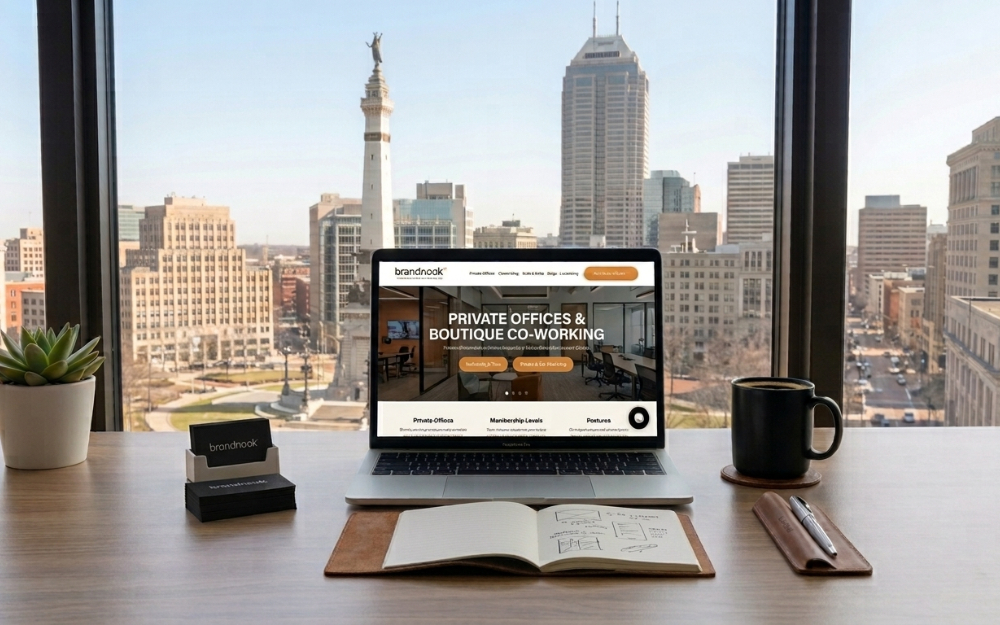
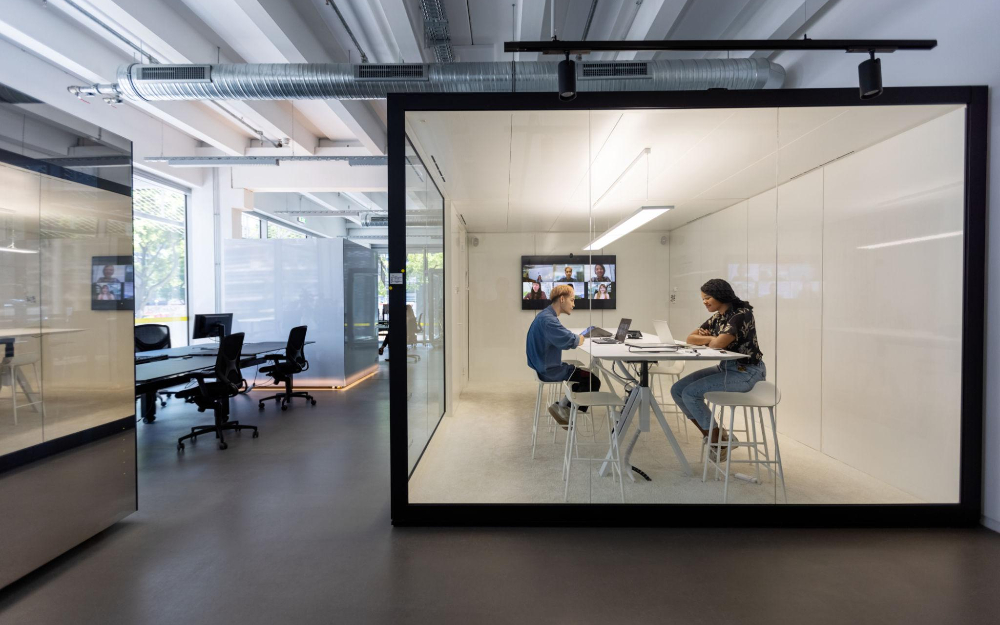
Strong professional relationships grow through consistent interactions, making the environment where you work just as important as the opportunities those interactions create. The space you choose can quietly shape who you meet, how often you interact, and whether those moments develop into lasting professional relationships. Shared workspaces naturally create the kind of low-pressure interactions that traditional networking events often cannot replicate. A brief conversation over coffee, a familiar face in a shared lounge, or a quick exchange before a meeting may seem small in the moment. Still, over time, these interactions build familiarity, trust, and professional recognition. This is why coworking spaces in Indianapolis and beyond have evolved well past being a simple alternative to a traditional office.
By bringing together freelancers, entrepreneurs, remote professionals, startups, and established businesses, these spaces create environments where relationships develop naturally alongside everyday work. Members build connections gradually through shared presence rather than one-time introductions. The benefits extend across teams and businesses. Startups gain exposure to potential collaborators and clients, while growing companies benefit from proximity to a wider professional ecosystem. At Brandnook coworking and private offices, that everyday proximity is the point, giving members a real-world business community to grow into. Even remote professionals can strengthen their local presence through coworking or virtual office solutions that create visibility within a genuine professional network.
The advantage of a workspace-led approach is that it removes the need to schedule networking as a separate task. Instead of carving out evenings for events you would rather skip, you build relationships during the work you are already doing. Over weeks and months, a familiar greeting turns into a conversation, a conversation turns into a collaboration, and a collaboration turns into a referral. That slow, compounding professional momentum is difficult to manufacture at a one-off mixer. Yet, it happens almost automatically when you share a space with the same motivated people each week. For business owners and remote teams in central Indiana specifically, a local base also signals stability to clients and partners. Hosting a meeting in a professional setting, sharing a consistent business address, and being part of a recognizable community all reinforce credibility. These practical advantages sit alongside the relational ones, which is why a well-run private office and coworking space often pays for itself in connections and opportunities rather than square footage alone.
Frequently Asked Questions About Networking for Introverts
Q: Can you be successful at networking if you are an introvert?
Yes. Introverts often excel at networking because they tend to listen closely, ask thoughtful questions, and build deeper one-on-one relationships. Success comes from consistency and genuine interest rather than from being the most outgoing person in the room.
Q: What is the best way to network without attending events?
The most reliable approach is to spend time in environments that foster repeated interactions, such as a coworking space or a professional community, and then stay visible through small, helpful touchpoints over time. This builds familiarity and trust without any single high-pressure moment.
Q: How do coworking spaces help with networking?
Coworking spaces put you in regular contact with the same group of professionals, which turns everyday proximity into familiarity. Those repeated, low-pressure interactions are exactly how durable professional relationships form, which is why many people find coworking far more effective than occasional events.
Conclusion
The professionals who build the strongest networks are rarely the ones who attend the most events. They are the ones who show up consistently in the same professional environments, build familiarity over time, and allow relationships to develop at a natural pace. According to the research, this is not a workaround for people who dislike networking, but one of the most effective approaches for everyone. For professionals who want to put this into practice without overhauling their schedule, the environment itself becomes the starting point. Where you work can quietly shape who you meet, how often you interact, and whether those interactions develop into meaningful professional relationships. A consistent, community-driven workspace, such as a Brandnook private office or coworking membership in Indianapolis, gives those connections room to grow on their own, which is networking that works even for people who would rather not network at all.


 Listen to Our Blogs
 Jun 13th